
-
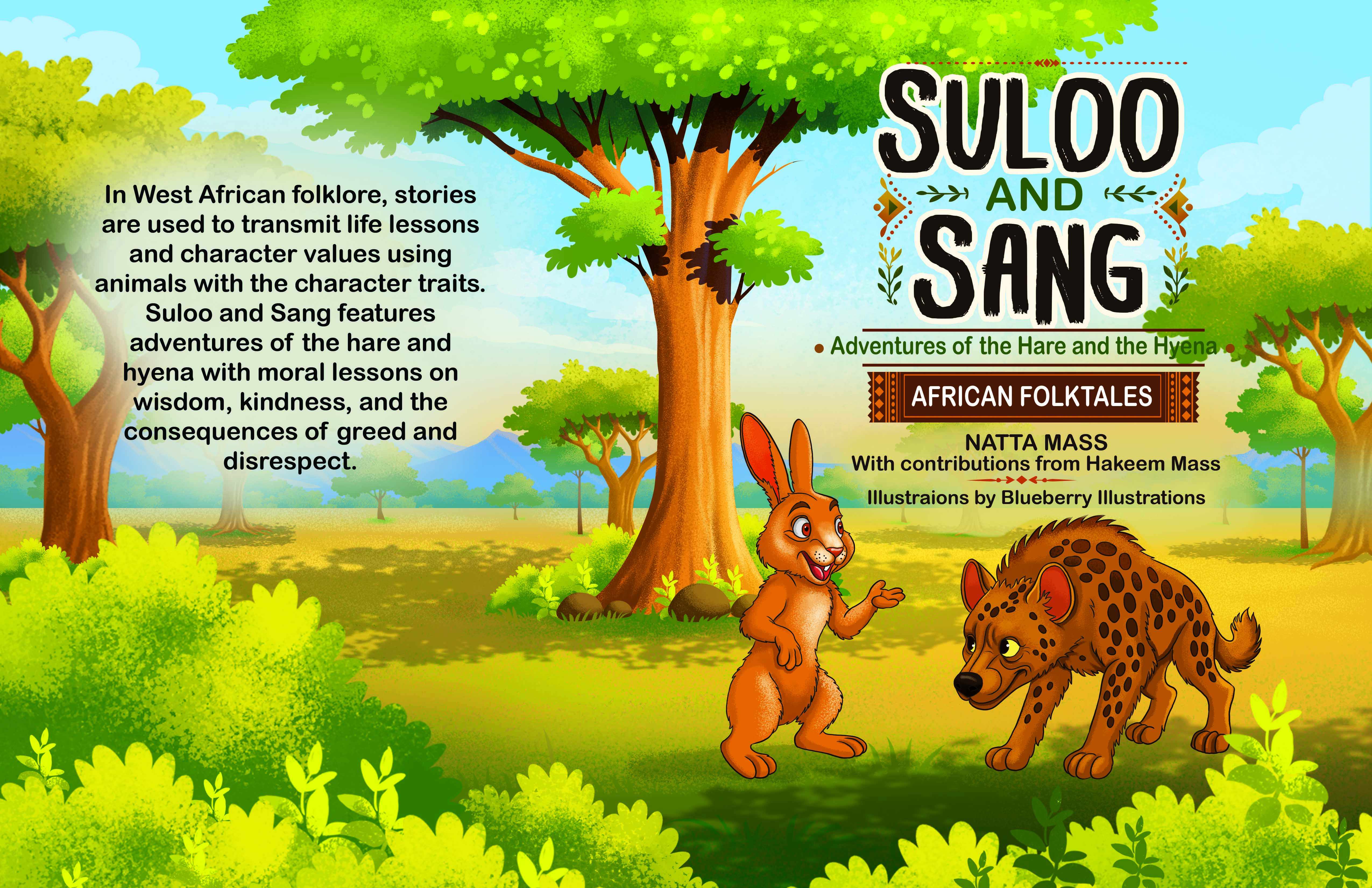

Preserving African Folklore: Meet Suloo and Sang
Read more: Preserving African Folklore: Meet Suloo and SangWhether it evokes a sense of nostalgia or serves as a means to connect with your children by reading stories with familiar characters and settings,…
-

How Power Gets Wielded
Read more: How Power Gets WieldedThe Socio‑Cultural Implications of Cronyism and Nepotism in a Multi‑Ethnic Society: The Case of The Gambia I watched the latest Dialectic Space episode that featured…
-


Why History Matters in The Gambia’s Political Moment
Read more: Why History Matters in The Gambia’s Political MomentWhen the current Deputy Speaker of The Gambia’s National Assembly, seedy njie was exposed for his bigoted approach to government policy and hiring conduct that…
-

The familiar path to authoritarianism
Read more: The familiar path to authoritarianismWhen power is weaponized, the custodians of power become controllers of those to whom power truly belongs. Every indication is that power is being weaponized…
Writing Pillars
For spiritual anchors to the Divine and moral living.
The Beliefs and Values of any society are built on the recognition of a greater power than the self, and our responsibilities to that power, to one another, to the earth and its resources that we are stewards of.
This pillar examines ancestral wisdom anchored on such beliefs and the practices and taboos they lived by in service of preserving those beliefs.
For identity, heritage, myth, and stories that endure.
Language is the memory of culture. That memory is both our link to past generations and the life line we cast into the future.
As cultural memory fades, so does society lose the anchor that grounds it. What wisdom lies in our oral traditions, symbolisms, rituals, and the wisdom in the adages handed down trough the ages?
The Culture and Society pillar examines how memory shapes identity, and how reviving obscure, lost or hidden histories and restoring them strengthens our communities.
It is anchored on the belief that If you don not know where you come from, you will not know where you are headed.
For power, ethics, and the structures we build.
Politics and History looks at the frameworks of how the human systems that were built — political, social, and economic — impact daily life and collective futures.
It focuses especially on how responsive governance is to our challenges, the rapid changes in new technologies that impact all aspects of life, the environment, and the future. How does modern governance mechanisms incorporate and adapt to cultural variations, norms and value systems.
When we say ‘progress,’ what are we progressing toward? This pillar takes a critical but imaginative view of what progress could mean. Not in an attempt to avoid it, but direct it purposefully toward where we want it to go: In service of our humanity and our values.
For resilience, preservation of ancestral trust, and passing on the stewardship.
What we inherited was preserved for us to inherit. Empowered Futures views such inherited values as a trust to be preserved for those coming after us and not squandered or abandoned to waste.
What we today, has an impact on the future. Seeking to understand what was inherited, improving upon it, and preserving it’s core essence for the future is our task.
The future lies in the past. The past is the roots upon which the trees of our future find their anchor. “Losing the past means lost futures. “A tree without roots begs the wind for direction.”
For current affairs, emerging ideas, and cultural pulses.
Emerging Trends examines cultural shifts, global events with potentials to impact established system.
Here, we will look at popular tends, viral memes and contemporary issues and they could potentially portend for the future..
This pillar will offer snapshots in time of the ideas shaping life across communities.